0–3 months
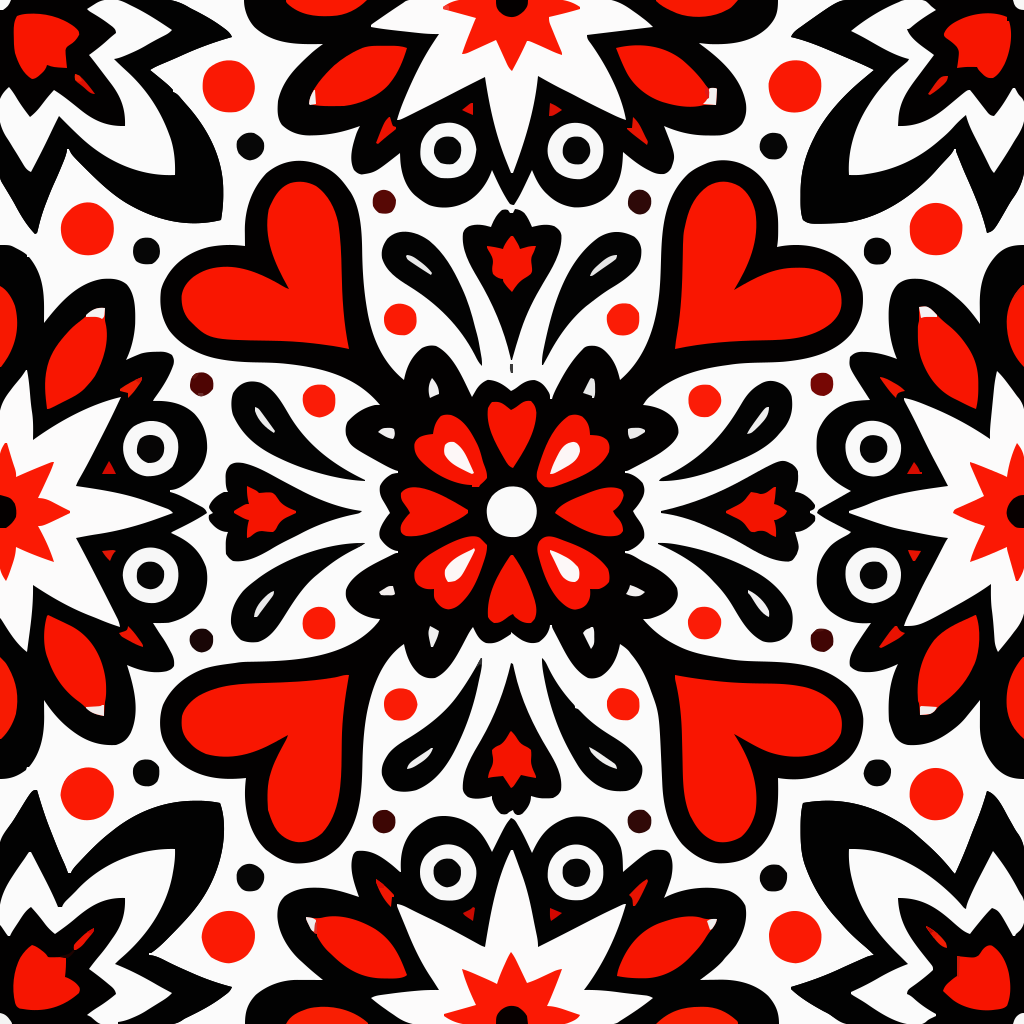
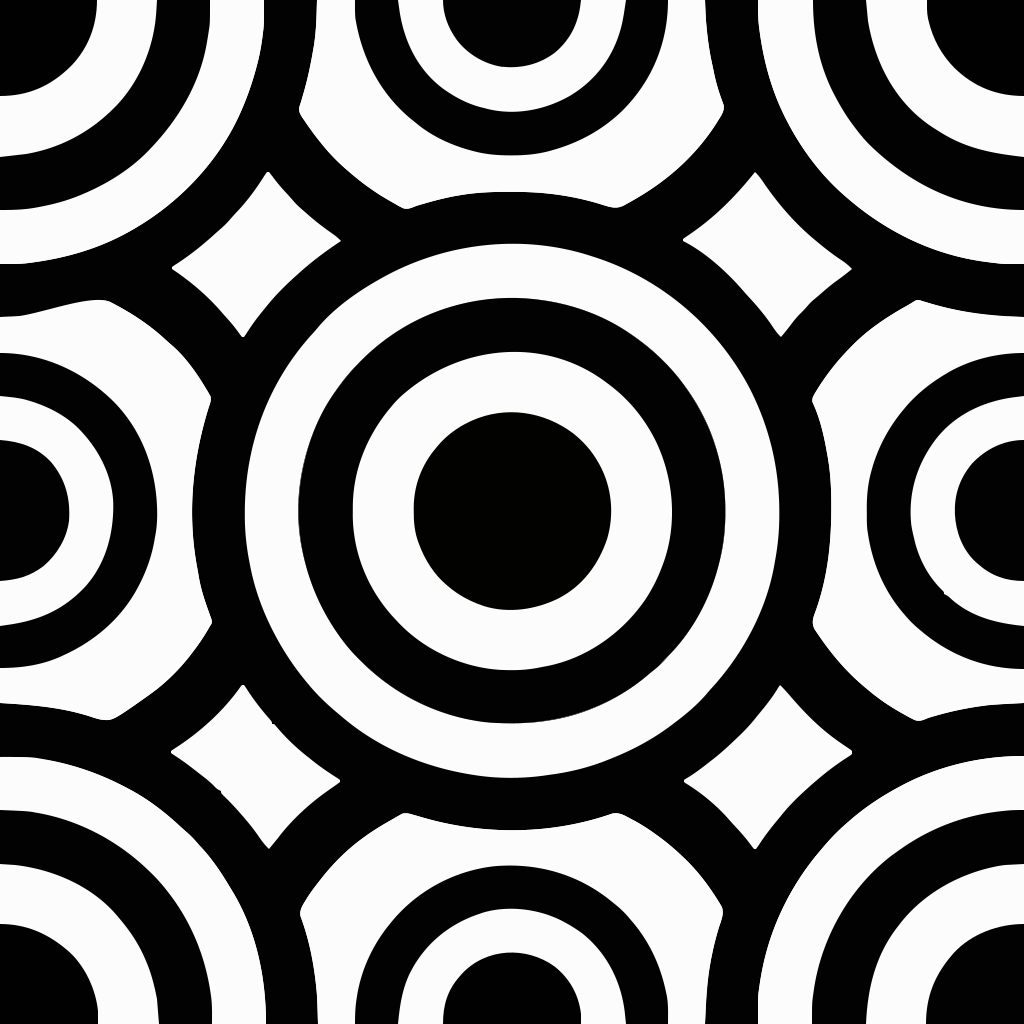
Bold black & white first. Simple, whole shapes like circles, stripes, and bullseyes. Strong contrast is what babies this age see most easily; big, bright red is the one color they reliably notice.

A practical guide to getting the most from high-contrast patterns.
Hold the pattern about 8–12 inches (20–30 cm) from your baby's face, straight in front of them. Close and large is easiest for newborns — their vision is blurry at every distance while the eye-to-brain wiring matures. As they grow, you can increase the distance gradually.

Start with 2–5 minutes per session, 2–3 times a day, when your baby is calm and alert. Watch for cues — if baby looks away or fusses, they've had enough. When interest fades, swap in a new card.
2–5 min, 2–3 times a day
when your baby is calm and alert
Looks away or fusses → that's enough
While your baby is awake and you're right there, place a pattern on the floor in front of them during tummy time. It gives them something to lift their head for. Pediatricians suggest building up to at least 15–30 minutes of tummy time a day, spread out, by about 7 weeks.

The on-screen viewer is for you: preview the patterns and pick what to print. If you do show it to your baby, remember that it counts as screen time — the WHO recommends none for babies under one.
Print on standard A4 or Letter paper. Use the highest quality setting and consider laminating for durability. Black & white printing works perfectly.
Download our free PDFsBold black & white first. Simple, whole shapes like circles, stripes, and bullseyes. Strong contrast is what babies this age see most easily; big, bright red is the one color they reliably notice.
Add red and other bold colors and slightly more complex shapes. By about 3 months all color channels are working, and around 4 months overlapping shapes start to make sense. Babies begin reaching for what they see.
More colors and intricate patterns become interesting. Babies grab everything within reach and start enjoying books with high-contrast illustrations.
For your baby, printed patterns are the way to go.
For educational purposes only. Not medical advice. Consult your pediatrician.