Why Contrast Pictures?
The science behind high-contrast pictures for babies.

The blur is an approximation, not a medical simulation.
How Infant Vision Develops
Birth
Newborns see about a thirtieth of the detail you do. Their world is blurry at every distance, and big, bold, high-contrast shapes — and faces — stand out most. Close up is easiest.
1 Month
Babies begin to fixate on faces and bold patterns. Their sharpness is around 20/250, and they need far stronger contrast than adults to see a pattern at all.
2 Months
Tracking improves. Babies start following objects across their visual field, and bold high-contrast patterns give them something clear to follow.
3 Months
Color vision is filling in: all three color channels are working, and bold colors now stand out alongside black and white. Babies also get better at shifting their gaze from one thing to the next.
6 Months
Vision sharpens significantly. Babies see color, depth, and much more detail — though their eyesight keeps maturing for years. They enjoy increasingly complex images.






Why Black & White First?
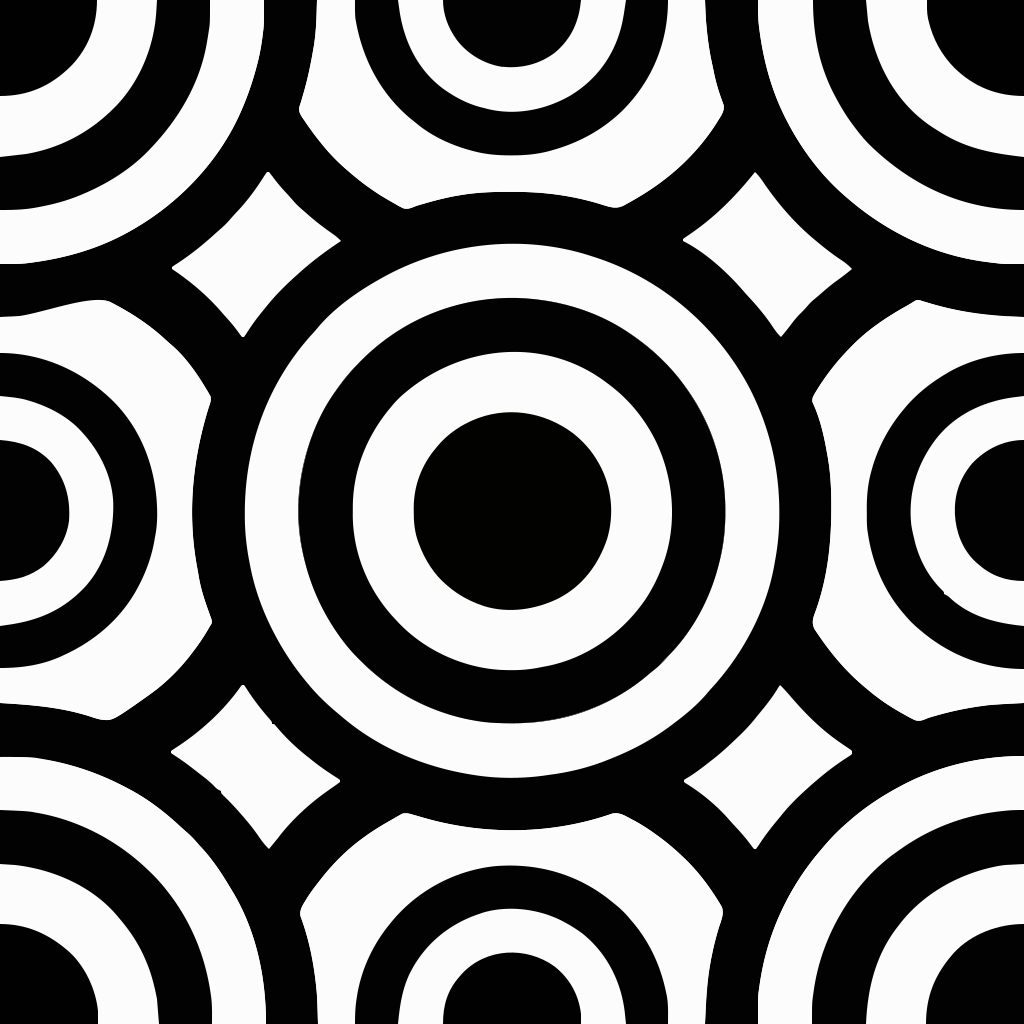
Newborns do have cone cells, but the center of the retina (the fovea) is still immature — its cones are short and sparse — and the pathways from eye to brain are still developing. That's why only large, bold shapes look clear at first. Black-and-white patterns give these young eyes the strongest light–dark contrast there is.



When to Introduce Color
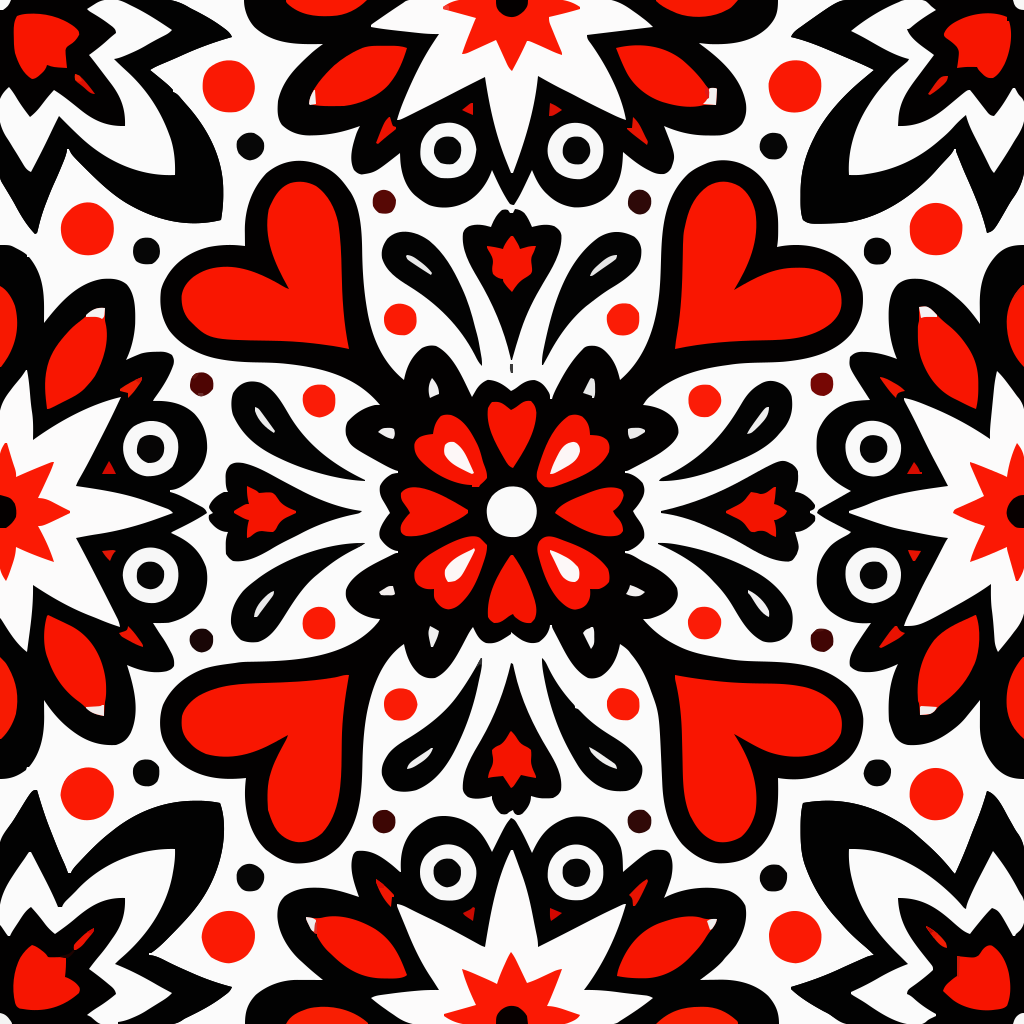
Big, bright red is the first color babies reliably notice — some newborns already do — so it's the natural first accent on black-and-white patterns. By about 3 months all color channels are working, and by 4 months babies sort colors into groups much as you do. Keep colors bold; pale pastels stay hard to see for a long time.
Birth
big, bright red
2 months
red vs. green
3 months
all three color channels
4 months
colors sorted into groups
Pale pastels stay hard to see for a long time.
What Contrast Cards Are Good For
- Something clear for young eyes to look at
- Slow tracking games — move a card gently and let your baby follow
- Quiet looking time together, face to face
- A new picture to perk up a curious baby when the last one gets old
- Something to lift their head for during tummy time
Ready to get started? Learn how to use our patterns effectively.
For educational purposes only. Not medical advice. Consult your pediatrician.